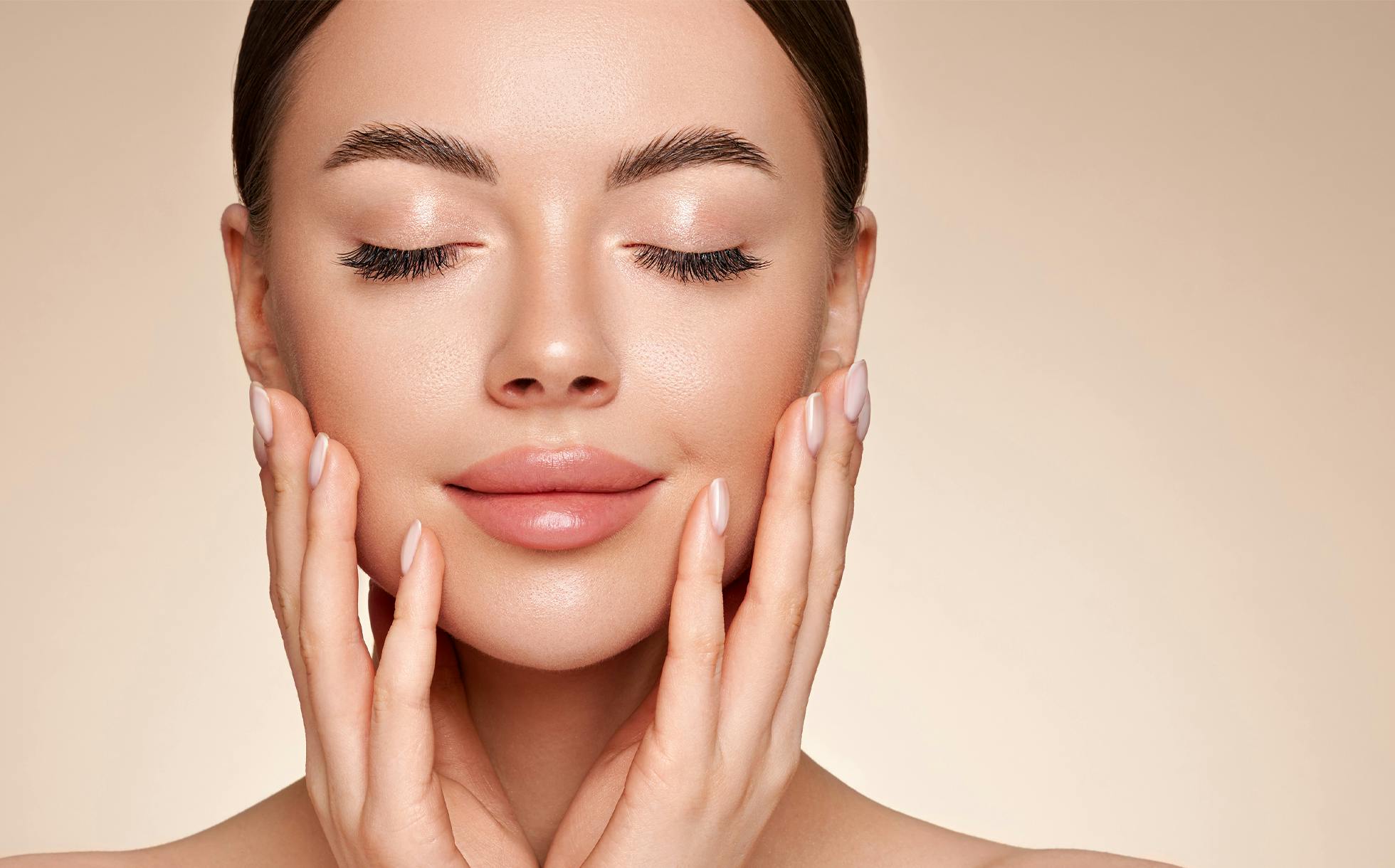
Facial fat grafting is a procedure where a person’s own fat is transferred from one area of the body to another to enhance facial volume and contour. It also improves the skin quality. It’s a popular technique for addressing age-related volume loss in the face, creating a more youthful appearance.
Common Areas for Fat Grafting:
Cheeks: To restore lost volume and create a more youthful contour.
Under Eyes: To fill in hollows and reduce the appearance of dark circles and tired eyes.
Lips: For lip augmentation and to create a more plump and defined look.
Temples: To fill in areas of volume loss and create a smoother, more defined appearance.
Nasolabial Folds: The lines between the nose and corners of the mouth.
Benefits
Natural-Looking Results: Fat grafting provides a more natural-looking enhancement compared to synthetic fillers.
Long-Lasting Results: Grafted fat cells can survive and provide lasting volume.
Versatile Application: It can be used to address various issues like sunken cheeks, deep lines, lip enhancement, and under-eye hollowness.
Scarless and Incision-Free: In some cases, the procedure is completely scarless and incision-free.
Improved Skin Texture: The injection of fat can also help improve the skin’s texture and appearance.
Procedure
In a Facial fat grafting procedure, fat is extracted from areas like the abdomen, thighs, or flanks using liposuction. The harvested fat is then purified and prepared for injection. The processed fat is injected into the targeted areas of the face, like the cheeks, under eyes, lips, or temples.
Anaesthetic
Fat Grafting is performed in our procedure room under local anaesthetic with conscious sedation.
Recovery
Swelling and bruising are common after the procedure for the first 2 – 4 weeks.
Risks
The fat has to become vascularised in order to survive. There will always be a percentage of the fat that is lost, as it fails to vascularise. For this reason we might plan more than one session to optimise your results.
Pain is usually minimal. Most patients can return to their normal activities within a week or two.